

How to Lose Weight Successfully on a GLP-1 Medication
By: Jessica Hrdlicka MS, RD, LD/N, CDCES
Losing weight and lowering blood sugars on a GLP-1 medication—like semaglutide (Ozempic/Wegovy) or tirzepatide (Mounjaro/Zepbound)—can be very effective, but the medication works best when you align your habits with how it changes your appetite and metabolism.
Here’s how to lose weight in a way that actually lasts:
1. Work with appetite suppression, not against it
GLP-1s reduce hunger and slow stomach emptying. That means:
- Eat when you’re hungry—but don’t force large meals
- Stop at “satisfied,” not full
- Expect smaller portions to feel normal
- Avoid greasy foods such as pizza, fried foods, French fries, chicken wings, ribs, hot dogs, ice cream, etc. These meals can increase nausea and heartburn after eating.
If you try to eat like you used to, you’ll feel uncomfortable or nauseous.
2. Prioritize protein
Rapid weight loss can lead to muscle loss if you’re not careful. Aim for:
- ~20–30g protein per meal•
3. Don’t skip meals entirely
It’s common to feel so little hunger that you forget to eat—but that can backfire:
• Low energy
• Muscle loss
• Slower metabolism over time
• Hair Loss
• Dizziness & headaches
Instead, think small, structured meals:
• 2–3 meals + 1 snack
• Even if portions are small, keep consistency every 3-5hrs.
4. Hydration matters more than you think GLP-1 meds can reduce thirst signals too.
• Aim for steady water intake throughout the day
• This also helps reduce side effects like constipation
5. Strength training = non-negotiable
Without it, a significant portion of weight loss can come from muscle.
Focus on:
• 2–4 sessions per week for 30min.
• Basic compound movements (squats, push-ups, pull ups)
Even light resistance training makes a big difference.
6.Expect (and manage) side effects
Common ones:
• Nausea
• Constipation
• Fatigue
• Diarrhea
• Heartburn
Helpful strategies:
• Eat slowly
• Avoid very fatty or greasy foods
• Consume foods rich in fiber such as beans, quinoa, sweet potato, fruit, avocado, nuts, seeds and vegetables
• Smaller meals = fewer symptoms
If symptoms are severe, your dose may need adjustment—talk to your prescriber.
7. Track progress beyond the scale
Weight drops fast at first, then slows.
Also track:
• Measurements
• How clothes fit
• Energy levels
• Strength gains
This keeps expectations realistic.
8. Avoid common mistakes
• ❌ Eating too little protein or skipping meals
• ❌ Not exercising
• ❌ Relying only on the medication
• ❌ Ignoring side effects until they worsen
Bottom line
GLP-1 medications lower the effort required to lose weight—but they don’t replace the fundamentals. The people who do best treat it as a tool, not the whole solution.
For more information on diabetes management, preventing heart disease, chronic kidney disease, weight loss or nutrition education please call 561-659-6336 ext 8012 to schedule an appointment today. Please enjoy our May 2026 Living Well with Diabetes Newsletter
Interpreting your Continuous Glucose Data
By: Jessica Hrdlicka MS, RD, LD/N, CDCES
Using Continuous Glucose Technology such as Freestyle Libre or Dexcom Sensors can truly be beneficial for people living with diabetes. These devices can provide helpful data to determine which foods, medications and workouts best support your blood sugars.
In order to get the most value out of these devices however examining your trends and patterns can help you lower your A1c and prevent hypoglycemia.
Here are some trends and patterns to look for while reviewing your CGM data:
- When are you experiencing hypoglycemia? This is the most important piece of information because preventing hypoglycemia can often lead to better A1cs, less hyperglycemia and hypoglycemic event present the most danger. Try to figure out what time the blood sugars start to drop to let you know if it is medication related, activity related or nutrition related.
- When are you experiencing high blood sugars? High blood sugars may let you know which meals are too high in carbohydrates for you or if your medications need to be adjusted. Adding strategies such as walking and drinking more water may also help limit hyperglycemic events.
- How are your sugars after eating? Looking after meals can be very eye opening for you to determine which foods work better for your blood sugars or which meals may need tweaking. Adding more fiber to meals such as salad and more protein with meals such as eggs or chicken can help reduce blood sugar excursions and give you better time in range.
- What patterns are you noticing overnight? Overnight blood sugars account for 1/3 of your day, so having good time in range overnight is imperative! Having protein before bed, walking after dinner and drinking water with your evening meal can all support better overnight blood sugars. If blood sugars are too low overnight please speak with your healthcare provider and make sure to have glucose tablets, raisins or juice at your bedside.
- What is your overall trend? Higher after breakfast? Low blood sugars overnight? Make sure to look at the full 24 hour picture to determine where to start making changes. Remember your diabetes education team can help you make changes with diet, exercise, medications and hypoglycemic treatments t help support your blood sugars in between appointments with your endocrinologist.
Please consider joining our Continuous Glucose Monitoring classes if you are new to CGM technology to be able to manage your sensors, learn the technology and ultimately have better blood sugars!
If you would like more information about weight management, glucose monitoring, diabetes nutrition, heart healthy or kidney friendly meal ideas please call our office to schedule a consult with one of our Certified Diabetes Care and Education Specialists at 561-659-6336 ext 8012.
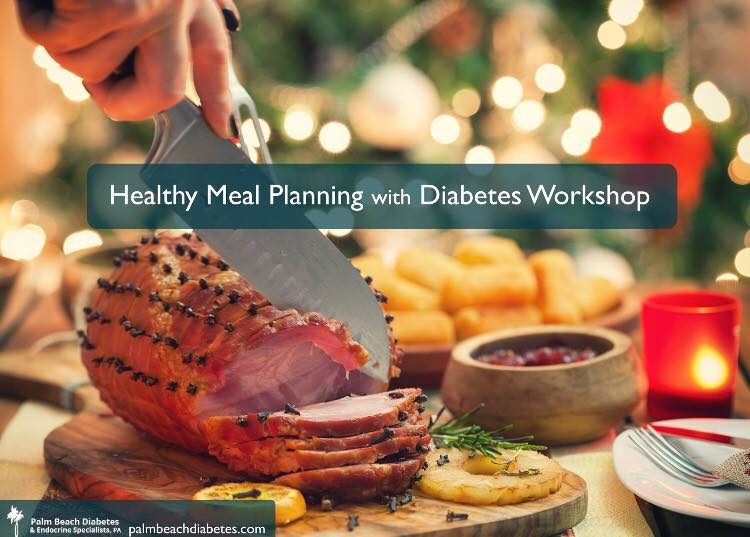
Healthy Meal Planning Class & Pre-Diabetes Sessions are available! Join our classes virtually or in person to stay motivated & feel great!
Pre-Diabetes Class
West Palm Beach Location (Virtual on ZOOM!)
2101 N. Australian Avenue, West Palm Beach, FL 33407
Tuesday May 19th 10am-12pm
Healthy Meal Planning Class
West Palm Beach Location (Virtual on ZOOM!)
2101 N. Australian Avenue, West Palm Beach, FL 33407
Tuesday June 9th 10am-12pm
If interested attending this program please contact our scheduling department at (561) 659-6336 Extension 8012 today!
At Healthy Living with Diabetes we want to ensure that you are satisfied with all services received. We also would like your input on educational workshops that you would like us to offer, information you would like to read about in Healthy Living with Diabetes Monthly or feedback on any workshop that you may have attended. You can contact the director of education personally by email jcook@PBDES.COM or leave a message at (561) 659-6336 ext. 8012. We would love to hear from you!
 Check us out on the web!
www.palmbeachdiabetes.com